
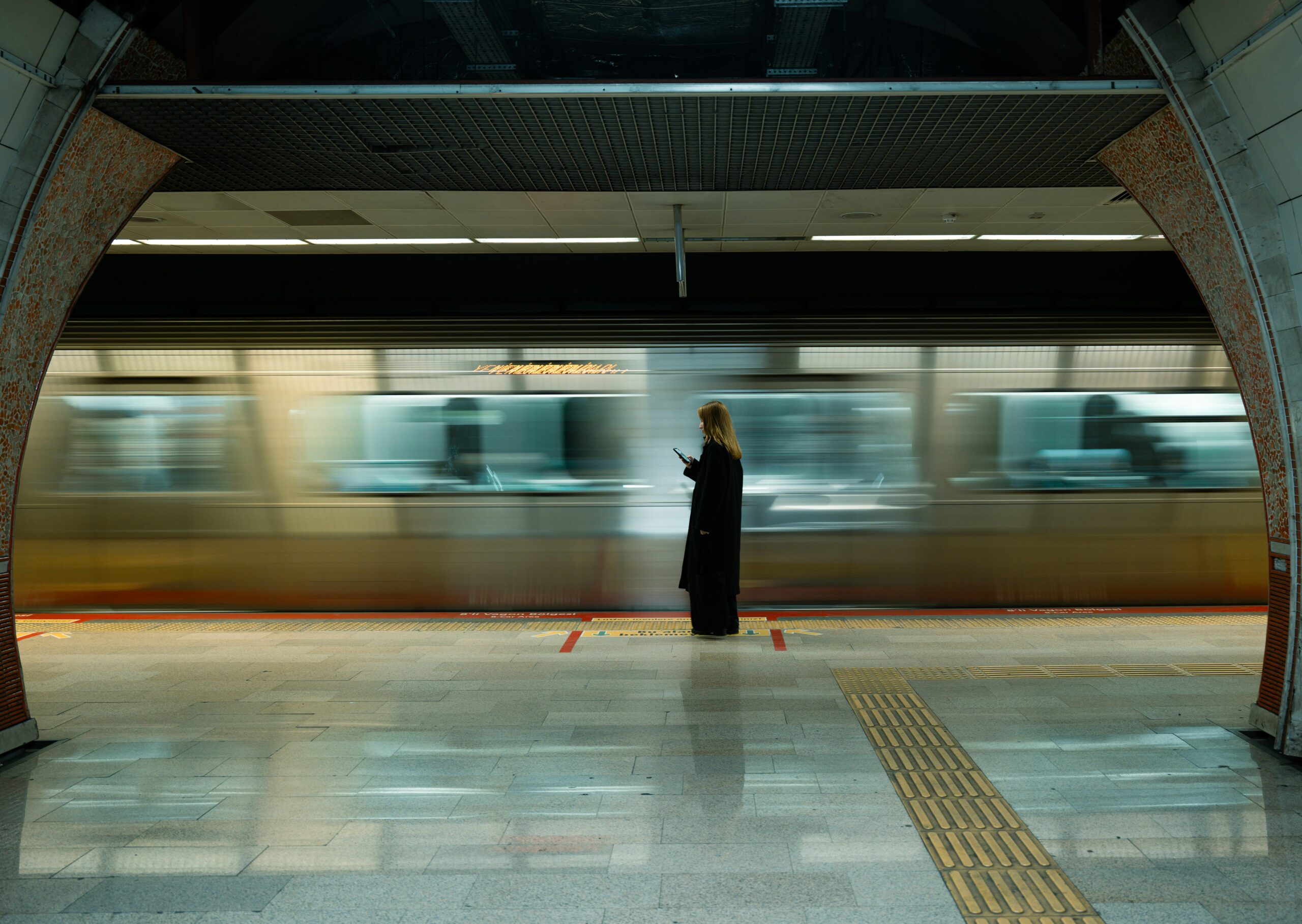
Japanese Train Etiquette: 3 Rules Worth Knowing
By Una | Japan Our Way
People often describe Japan’s train system as strict, complicated and full of unspoken rules. If you are planning your first trip to Tokyo, that can make an ordinary train ride sound like something you need to study for. But I don’t want you to arrive feeling nervous before you have even reached the platform.
In my video, I walk through a few everyday habits that make travelling by train easier for you and the people around you. My starting point is simple: join the queue, keep your voice down and pay attention to the flow of people. You can learn the basics of Japanese train etiquette without memorising a long list of things to be afraid of.
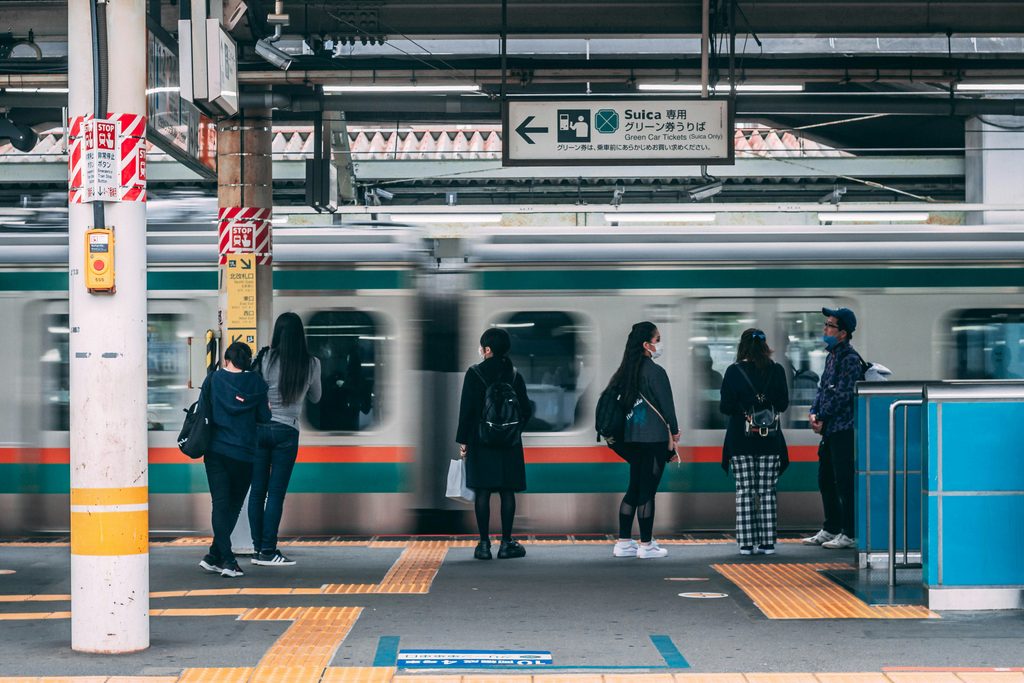
1. Line up at the platform marks
When you reach the platform, look down as well as up. Alongside the departure boards and signs, you will often see markings showing where passengers should queue for the train doors. Join the back of the appropriate line rather than gathering wherever there seems to be a gap.
The queue matters even when the station is busy. Being in a hurry is not a reason to cut in front of other passengers, and standing directly in the doorway makes it harder for people to get off. When the train arrives, let passengers leave before you step aboard.
Some platforms serve different trains or have more than one set of boarding marks, so check the signs for your service. Stay behind the platform safety line while you wait, and keep luggage close rather than spreading bags across the queue.
If you are travelling with other people
Get your group together before joining the line, and make sure everyone knows which train you are taking. If you need to check directions or reorganise bags, find a safe place away from the platform edge and the main flow of passengers first.
2. Japanese trains are quiet, not completely silent
One of the biggest myths I want to clear up is that you cannot talk on Japanese trains. You can have a conversation with the person beside you; just keep it quiet enough that it does not become everyone else’s conversation too.
Think of it as sharing a small space with people who may be commuting, reading or resting. You don’t need to whisper every word, but calling across the carriage or having a loud group discussion is best avoided. Match your volume to the atmosphere around you.
Phone calls are different. On Tokyo’s commuter trains and subways, keep your phone on silent and avoid making or answering calls in the carriage. Send a message instead, and keep videos, games and music from playing through your speaker or leaking loudly from headphones.
What about children on the train?
If you are travelling with children, aim for the same considerate approach without expecting perfect silence. Keep conversations close, bring a quiet activity and avoid playing videos aloud. Give yourself enough time to board calmly so you are not trying to organise everyone in the doorway.
3. Follow the signs on station stairs and passageways
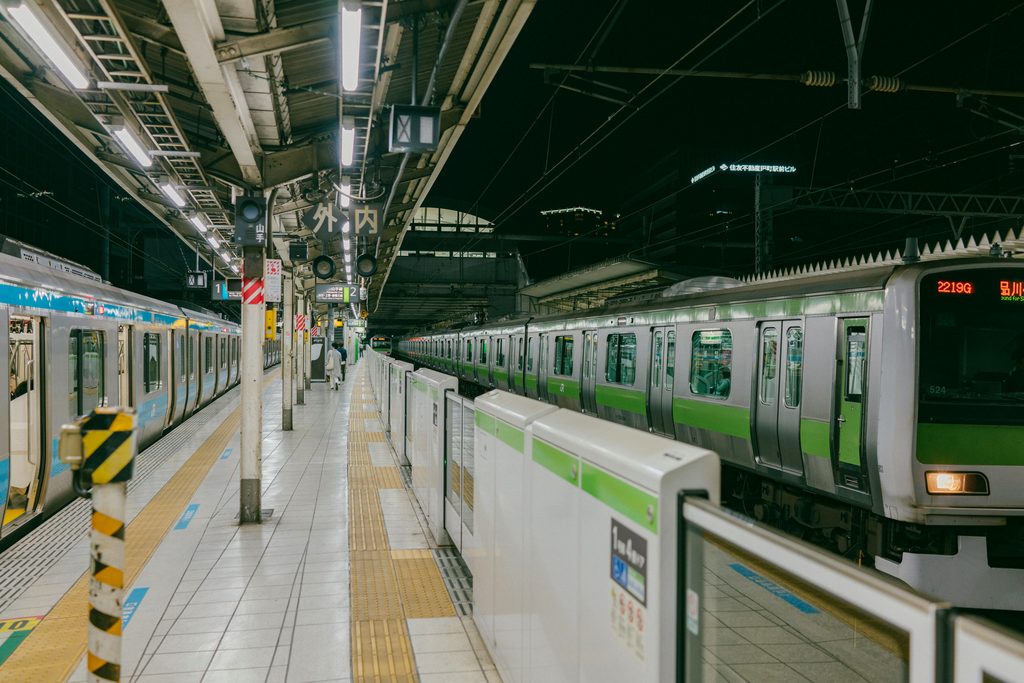
The journey does not finish the moment you step off the train. Busy stations have people moving towards exits, changing platforms and trying to make connections, so keep an eye on the arrows and lane markings on stairs and in corridors.
Follow the direction shown at that particular station rather than assuming you should always keep left or always keep right. Where the layout allows, leave space for other passengers to move past, and avoid spreading your group across the full width of a staircase.
If you need to check your map, move to a safe spot out of the flow before stopping. The top or bottom of a staircase and the area immediately outside a train door are awkward places to gather while deciding where to go next.
Stairs and escalators have different guidance
My advice about leaving room on stairs is not an instruction to create a walking lane on an escalator. Railway operators ask passengers to stand still on escalators and hold the handrail. Follow the posted safety guidance, even if you see other people walking.
A few small habits that make the journey easier
Before you set off, check your route and allow time to find the right platform. As I show in the video, a route-planning app can help you make sense of the network, but you should still compare its directions with the station signs and departure displays.
Once aboard, keep the doorway clear and your belongings under control. If you are standing near the doors, make room for people getting off, which may mean briefly stepping onto the platform before boarding again. Take care that your bag is not occupying a seat or blocking the aisle.
Be mindful of priority seating and passengers who need it. Someone’s need for a seat may not be obvious, so pay attention to signs and requests rather than making assumptions based only on appearance.
Japanese train etiquette: quick answers
Can you talk on trains in Japan?
Yes. Quiet conversation is generally fine on ordinary commuter trains and subways. Keep your voice low, avoid calling across the carriage and follow any specific instructions from the operator.
Should you keep left or right in Japanese stations?
Follow the arrows and signs where you are. There is no single side you should assume applies to every staircase or passageway, and escalator safety guidance is separate from pedestrian traffic flow.
What if you miss your train?
Check the next departure rather than rushing towards closing doors. If you are unsure which service to take, ask station staff and give yourself time to board safely.
My advice: be considerate, then enjoy the ride
You don’t need to feel embarrassed about being new to Japan’s trains. Start with these three habits: queue at the boarding marks, keep conversations quiet and follow the station’s walking directions. They make a noticeable difference without making every journey feel complicated.
If you are travelling with someone else, share these basics before your first train ride so you can work things out together. A little preparation lets you spend less time worrying about etiquette and more time enjoying the places the train takes you.