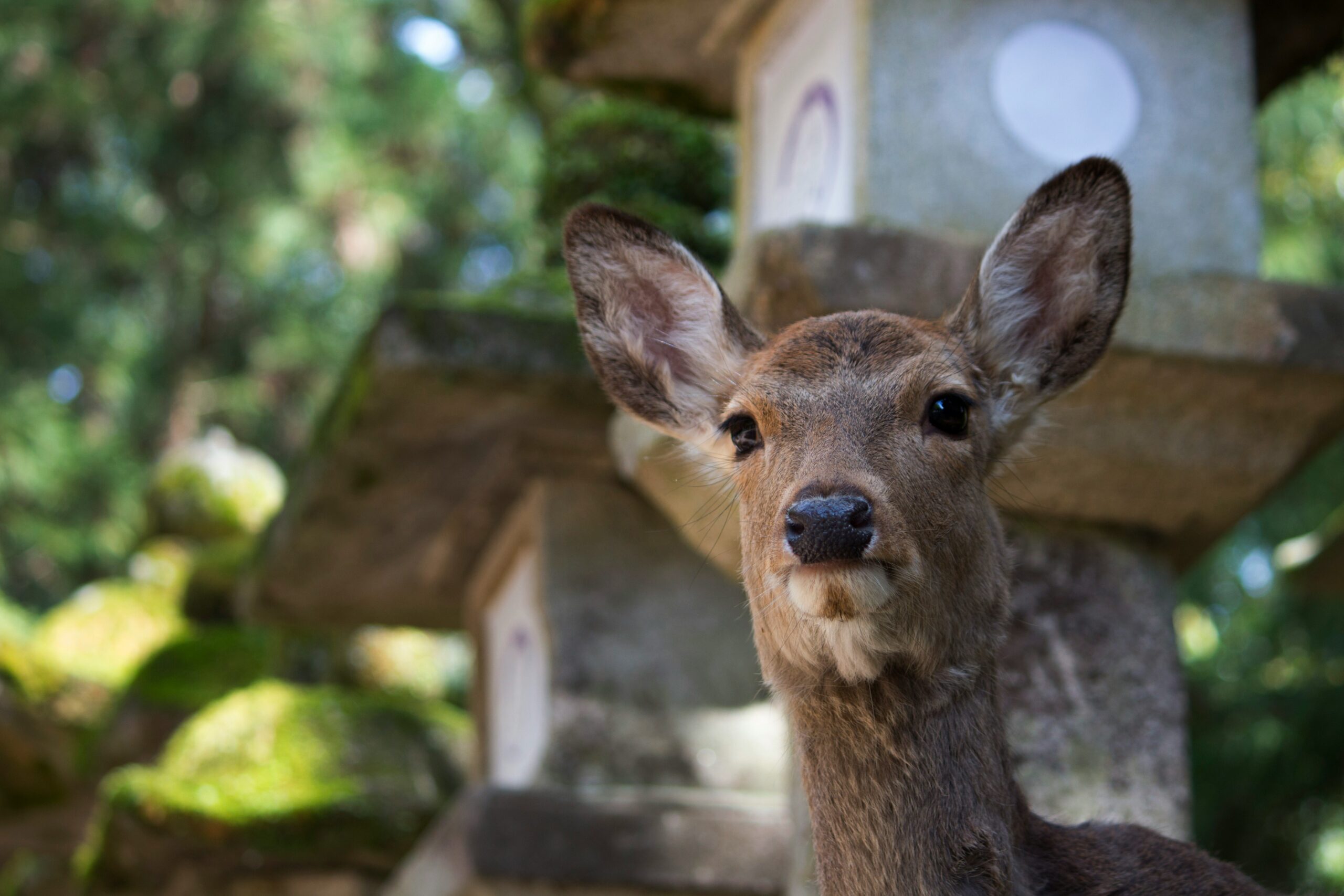
Visiting Nara Deer Park With Kids: Our Favourite Day Trip From Kyoto
Lila (๑>◡<๑)
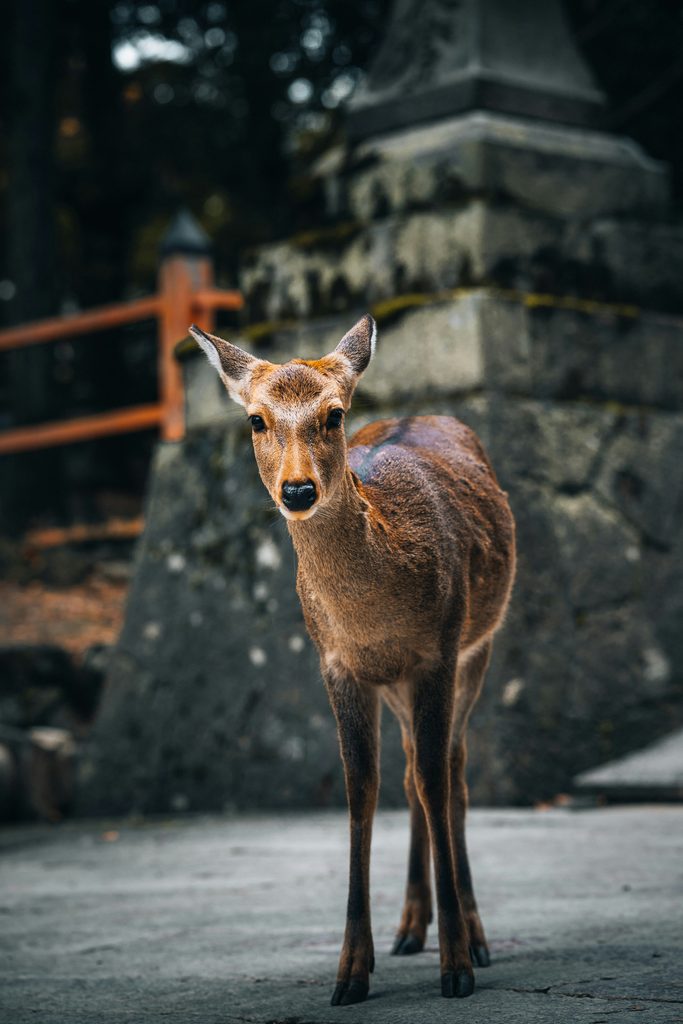
Of all the incredible experiences we had travelling around Japan, one of our absolute favourites was visiting the deer at Nara Park. And considering everything there is to see and do in Japan, that’s saying something.
We visited with our two-year-old son, and I can genuinely say that watching him experience Nara’s famous deer was probably the highlight of our entire trip. There’s something very special about seeing Japan through the eyes of a little person, particularly when that experience involves hundreds of deer wandering freely through beautiful parklands.
My husband and I loved it just as much as our son. It was one of those family travel experiences that reminded us why we love exploring new places together.
But there is one piece of advice I wish every visitor knew before arriving at Nara Deer Park: keep walking past the busiest areas near the station.
The further we ventured into the park, the more enjoyable the experience became. We found quieter areas, fewer tourists and deer that seemed much more relaxed than those congregating around the busiest feeding spots.
If you’re planning a day trip to Nara from Kyoto or Osaka, especially with young children, here’s everything worth knowing before you go.
Why Is Nara Famous for Its Deer?
Located in Japan’s Kansai region, Nara is an ancient city known for its historic temples, beautiful gardens and, of course, its famous free-roaming deer.
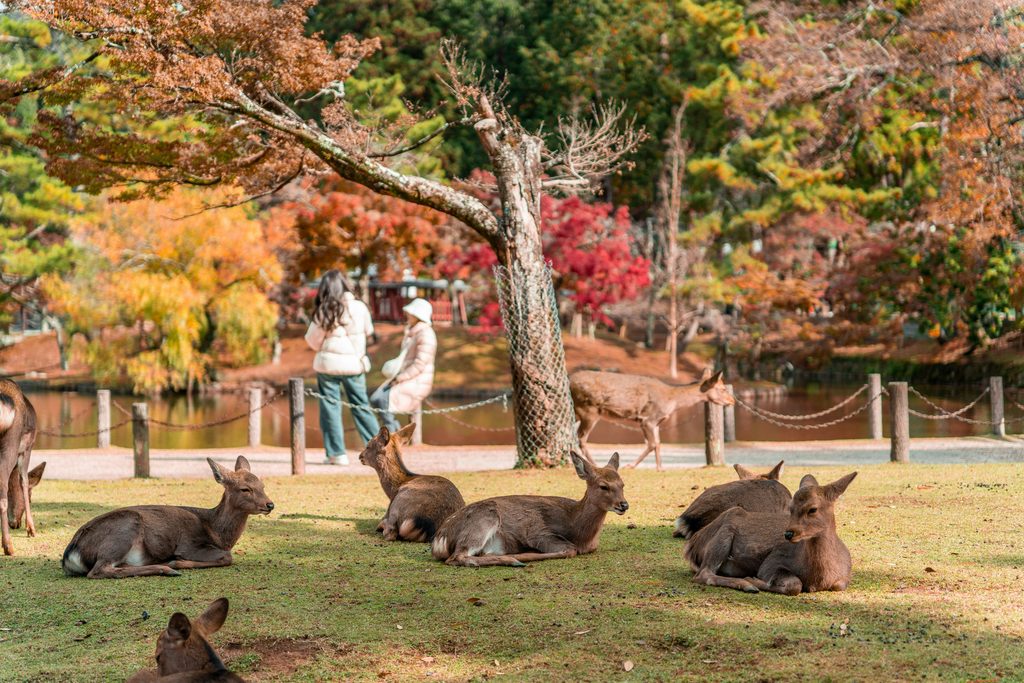
Nara Park is home to well over a thousand wild sika deer that wander through the parklands, temple grounds and surrounding areas. Unlike visiting a zoo or wildlife sanctuary, encountering deer is simply part of exploring the city.
They graze on grassy lawns, rest beneath trees, walk along pathways and occasionally approach visitors hoping for a treat.
But the deer aren’t just a tourist attraction. They have an important place in Nara’s cultural and spiritual history.
According to local legend, a deity associated with Kasuga Taisha Shrine arrived in Nara riding a white deer. Deer subsequently became revered as sacred messengers of the gods, and today they are protected as Natural Monuments.
One of the most fascinating things about visiting Nara is seeing how closely these animals have become connected to the city’s identity.
And yes, some of the deer really do bow!
Our Experience Visiting Nara With a Three-Year-Old
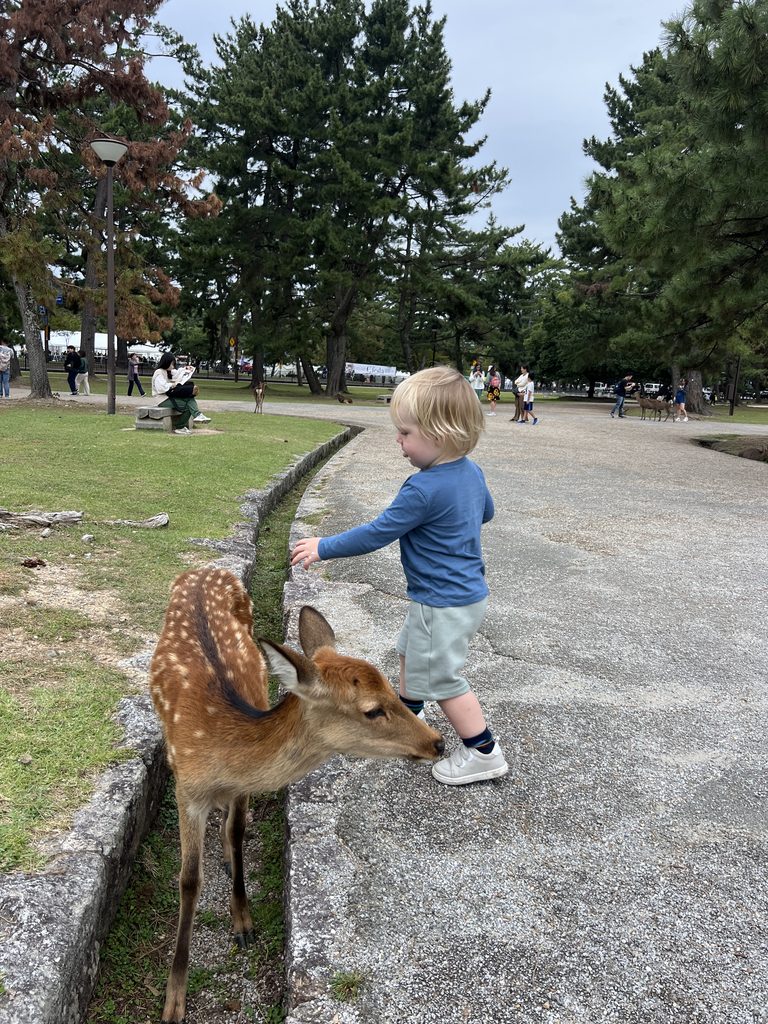
We travelled to Nara by train, making it a very manageable day trip during our time in the Kyoto area. Travelling around Japan with a two-year-old can involve a little more planning, but Nara turned out to be one of those experiences that made the effort completely worthwhile.
Our son absolutely loved it. There was something magical about watching him encounter animals that weren’t behind fences or enclosures. The deer were simply there, wandering around the same park we were exploring.
And as parents, those are the moments you remember. The highlight for us wasn’t necessarily feeding the deer or taking photographs. It was being able to slow down, explore the park together and watch our little boy enjoy something so completely different from his everyday life. He also enjoyed some very yummy soft serve, which Japan does very well I might add.
We could have happily spent hours just wandering around.
However, we quickly discovered that not every part of Nara Park offers the same experience.
Our Biggest Tip: Keep Walking Further Into Nara Park
If you take just one piece of advice from this article, make it this one.
Don’t stop at the first group of deer you see near the main tourist entrances. Keep walking.
Many visitors arrive at Kintetsu-Nara Station, walk towards the park, spot their first deer and immediately stop to feed them or take photographs.
Understandably, the areas closest to the main approach routes can become extremely busy. There are tourists everywhere, people purchasing deer crackers and groups gathering around animals that have learned to associate visitors with food.
Some of the deer in these areas can be surprisingly persistent when they think you’re carrying crackers. With a two-year-old, we found that the experience became much more enjoyable as we continued walking further into the park.
The crowds thinned out, the atmosphere felt more peaceful and the deer we encountered seemed noticeably calmer. Instead of competing with dozens of other visitors for photographs, we could simply enjoy being there.
Where to Find Quieter Deer in Nara Park
Our recommendation is to continue beyond the first busy lawns and explore the walking paths around the eastern sections of the park.
In particular, consider heading towards:
- Kasuga Taisha Shrine: A beautiful shrine surrounded by wooded pathways, with deer frequently seen throughout the area.
- Ukimido Pavilion and Sagiike Pond: A picturesque area with water, trees and walking paths, offering a lovely change of scenery.
- The approaches towards Mount Wakakusa: Open grassy spaces and attractive scenery where it’s possible to encounter deer away from the busiest central sections.
These locations can still attract visitors, particularly during peak travel periods, and there is no guarantee that individual deer will be calmer. But exploring beyond the busiest entrances gives you more opportunities to find quieter places.
For us, this made an enormous difference.
And if you’re travelling with young children, having a little more space makes the whole experience much easier.
Can You Feed the Deer at Nara Park?
Yes, and feeding the deer is one of Nara’s most popular attractions.
Throughout the park, small vendors sell special deer crackers known as shika senbei. These are made specifically for the deer, using ingredients such as rice bran and wheat flour.
A bundle of ten crackers typically costs around ¥200, although it’s worth checking the current price when you visit.
Some deer have even learned to bow their heads when visitors hold out a cracker. It’s a charming sight, although the behaviour is learned rather than a traditional greeting.
There are a few important rules to remember.
How to Feed Nara’s Deer Safely
Only feed the deer the official shika senbei crackers sold for this purpose. Never offer bread, sweets, fruit, sandwiches or other human food, even if the deer seem interested.
Give crackers promptly, one at a time, rather than holding them out of reach or trying to make the deer perform for food.
Once you’ve run out, show the deer your empty hands and move away calmly. This signals that you have nothing left to offer.
Keep your bags, maps, loose papers and plastic packaging secured. Deer may mistake these objects for food, and swallowing them can cause serious harm.
Most importantly, remember that these are wild animals. They may appear accustomed to people, but they can still bite, kick, charge or knock someone over, particularly when food is involved.
Is Nara Deer Park Safe for Toddlers and Young Children?
Our two-year-old had an absolutely wonderful experience, and I would happily recommend Nara as a family day trip.
However, I would approach visiting with young children a little differently from visiting as adults. The deer are beautiful, but they’re also relatively large animals. Some can become pushy around food, especially when lots of people are feeding them in the same area.
For toddlers, I think the most enjoyable approach is to concentrate on observing the deer, enjoying the park and allowing plenty of time to find a calm moment for your child to feed a deer, an adult should remain directly beside them and supervise the interaction closely. Never allow children to approach the deer alone.
A few additional precautions are worth remembering:
- Avoid approaching mothers with young fawns, especially during spring and early summer.
- Give male deer extra space during the autumn breeding season.
- Never encourage children to chase, hug, grab or ride the deer.
- Wash or sanitise hands after any animal contact, particularly before eating.
- Avoid feeding deer while holding a small child, as you may need both hands to maintain your balance.
For our family, exploring the quieter areas was the best decision we made. It allowed our son to enjoy the magic of Nara without constantly being surrounded by crowds.
How to Get to Nara From Kyoto by Train
Nara is one of the easiest and most rewarding day trips from Kyoto, and travelling by train is straightforward.
There are two main options: Kintetsu Railway and Japan Railways (JR).
| Train | Journey time | Arrival station |
|---|---|---|
| Kintetsu Railway | Around 35–50 minutes | Kintetsu-Nara Station |
| JR Miyakoji Rapid | Around 45 minutes | JR Nara Station |
Which Train Is Better for Visiting Nara Deer Park?
For most visitors whose priority is the deer park, Kintetsu-Nara Station is the more convenient arrival point.
It’s approximately a five-minute walk to the western edge of Nara Park, although reaching the quieter eastern areas takes considerably longer.
JR Nara Station is approximately a 20-minute walk from the park’s western edge. You can also use local buses if you’d prefer to save your energy for exploring.
The JR route may be useful for travellers using a Japan Rail Pass, while Kintetsu is particularly convenient for those wanting to arrive closer to the main tourist attractions.
Before travelling, check the train schedule carefully because not every Kintetsu service is direct, and limited express trains require an additional ticket.
Is Nara Worth Visiting From Kyoto for Just One Day?
Absolutely. You can comfortably experience the deer park and a selection of Nara’s major attractions in a day, especially if you leave Kyoto in the morning.
For families with toddlers, I would avoid trying to see absolutely everything. Allowing enough time to wander, rest and enjoy the deer is much more rewarding than rushing between every temple and landmark.
We found Nara to be an excellent day trip, and there’s no need to stay overnight unless you want a more relaxed experience or plan to explore beyond the main tourist area.
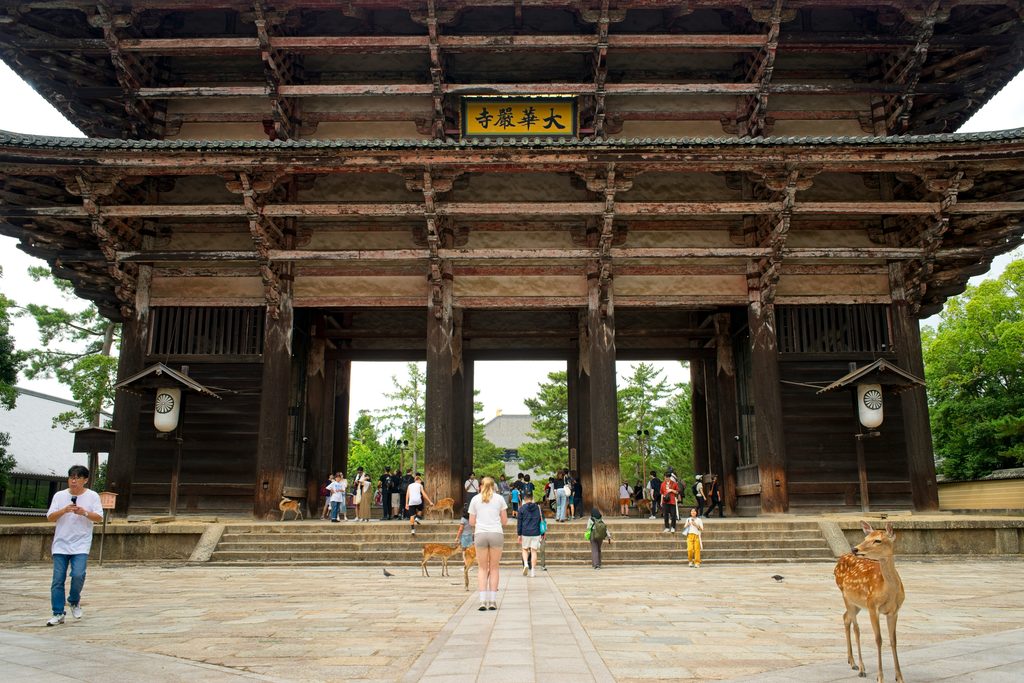
What Else Is There to Do in Nara Besides Seeing the Deer?
Although the deer were easily the highlight for our family, Nara has a remarkable collection of historical and cultural attractions.
If you have the time, these are the places I would consider adding to your visit.
1. Todai-ji Temple and the Great Buddha
Todai-ji is one of Japan’s most significant Buddhist temples and is home to an enormous bronze Buddha statue measuring approximately 15 metres high. The temple’s impressive wooden architecture makes it worth visiting even if you aren’t particularly interested in religious history. It’s located within the wider Nara Park area, making it easy to combine with your deer encounters.
2. Kasuga Taisha Shrine
Kasuga Taisha is a beautiful Shinto shrine famous for its lanterns, traditional architecture and atmospheric forest setting. The approaches to the shrine are particularly lovely, with stone lanterns lining pathways beneath mature trees. It’s also one of the areas worth exploring if you want to venture beyond the park’s busiest feeding locations.
3. Mount Wakakusa
For travellers with more energy, Mount Wakakusa offers beautiful views across Nara and its surrounding landscape. The grassy hillside makes an attractive addition to a visit, although climbing it with a toddler may not be for everyone. You can still enjoy the scenery around its lower approaches without committing to the full walk. Check seasonal opening arrangements if you plan to climb.
4. Ukimido Pavilion
Located beside Sagiike Pond, Ukimido is a beautiful wooden pavilion extending over the water. It’s a particularly photogenic part of Nara and a lovely place to enjoy some quieter surroundings after the busier areas of the deer park. This would be one of my recommended additions for families wanting to combine deer encounters with a more leisurely walk.
5. Naramachi Historic District
If you have time after visiting the deer, take a wander through Naramachi, Nara’s traditional merchant neighbourhood. Here you’ll find historic streets, cafés, restaurants, small shops and traditional architecture. It’s an excellent place to stop for lunch, browse for souvenirs or enjoy a different side of Nara away from the park.
Our Suggested Nara Day Trip Itinerary With Kids
If I were planning a day trip from Kyoto with a toddler, I’d build the day around the deer and treat everything else as a bonus.
| Time | What to do |
|---|---|
| 8:00–9:00 am | Travel from Kyoto to Nara |
| 9:00–10:00 am | Walk into Nara Park and enjoy your first deer encounters |
| 10:00–11:30 am | Continue towards quieter areas around Ukimido or Kasuga Taisha |
| 11:30 am–12:30 pm | Stop for lunch and a rest |
| 12:30–2:00 pm | Visit Todai-ji or explore more parkland |
| 2:00–3:00 pm | Wander through Naramachi or enjoy a final stroll |
| 3:00–4:00 pm | Travel back to Kyoto |
This is only a suggested itinerary, not a schedule you need to follow exactly.
In fact, my biggest advice for visiting Nara with little children is to resist the temptation to overplan.
If your child is absolutely loving the deer, stay longer. If everyone needs a break, find somewhere to sit and enjoy the atmosphere. Sometimes the best family travel memories come from doing less.
Practical Tips for Visiting Nara Deer Park
After our experience, these are the recommendations I would pass on to anyone planning their first visit.
Arrive early if possible. Nara Park can get busy throughout the day, particularly during weekends, public holidays and popular travel seasons. Arriving in the morning gives you a better chance of enjoying the park before the largest crowds.
Walk beyond the first groups of deer. This is our number-one recommendation. Don’t assume that the area closest to the station is the best place to experience Nara. Exploring further into the park can make the experience much more peaceful.
Wear comfortable shoes. Nara Park is enormous, and it’s easy to cover several kilometres without realising it. Comfortable walking shoes make a big difference, particularly when exploring the more distant sections.
Bring a stroller if needed, but expect some uneven paths. Much of the main park area is walkable, although some shrine approaches and wooded pathways have slopes, steps or uneven surfaces. A compact stroller can be helpful for young children who tire easily.
Carry water and snacks for your family. There are cafés, shops and vending machines around Nara, but it’s useful to have supplies when exploring the quieter areas. Keep your own food securely packed away from the deer.
Don’t carry visible deer crackers around for too long. Deer can become persistent when they spot food. Purchase crackers when you’re ready to feed them and follow the park’s guidance for safe interactions.
Take plenty of photographs, but give the deer space. The best moments often happen naturally. There’s no need to chase the animals, corner them or encourage them to pose.
Remember that Nara Park itself is free. You can wander through the public parkland and enjoy watching the deer without paying an entrance fee. Some temples, gardens and other attractions have separate admission charges.
When Is the Best Time to Visit Nara Deer Park?
Nara is beautiful throughout the year, and each season offers a slightly different experience.
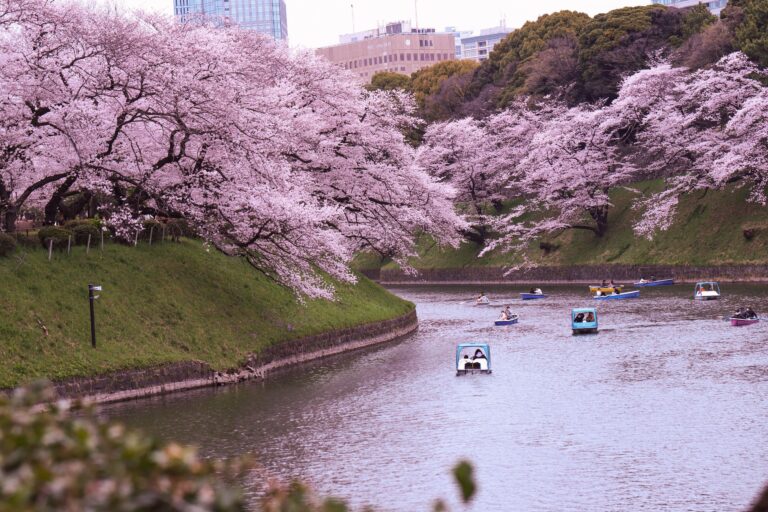
Spring brings cherry blossoms and fresh greenery, making it one of the most picturesque times to visit. It’s also a particularly popular period for tourism, so expect larger crowds during peak blossom season.
Summer offers lush green scenery, but Japan’s humidity and high temperatures can make extended walking uncomfortable, especially with young children.
Autumn is another wonderful season, with colourful foliage transforming the park and temple surroundings. It’s important to give male deer additional space during their breeding season.
Winter can be quieter and offers a different atmosphere, with bare trees, crisp air and occasional snow creating beautiful scenery.
For families with small children, I would generally favour spring or autumn for the comfortable walking weather, while planning around the busiest holiday periods wherever possible.
Planning a Family Holiday to Japan?
If you’re exploring Japan with young children, Nara is a destination worth including in your itinerary.
And if you’re still deciding where to visit, our free Find Your Japan Stay can help you explore destinations around Japan and discover which areas best suit your family’s travel style.
For help organising the practical details, take a look at our Japan Planner. It’s designed to help you work through your travel preparations before you leave.
You can also read Una’s guide to When Is the Best Time to Visit Japan? to decide which season best suits your itinerary.
Is Nara Deer Park Worth Visiting With Kids? Our Final Verdict
Without hesitation, yes.
We experienced so many incredible things during our time in Japan, but visiting Nara with our son remains one of our favourite family travel memories.
There’s something wonderfully simple about the experience. You don’t need an elaborate itinerary, expensive tickets or a carefully scheduled activity to enjoy it.
You just need comfortable shoes, a little patience and enough time to explore.
For our family, the magic wasn’t in the busiest parts of Nara Park. It was in continuing to wander, finding quieter corners and being able to enjoy the deer without feeling rushed.
If you’re travelling to Kyoto or Osaka, I genuinely recommend setting aside a day to visit Nara, particularly if you have children who love animals.
And remember our biggest tip: when everyone else stops at the first deer they see, keep walking.
You might just discover that the best part of Nara is a little further along the path.
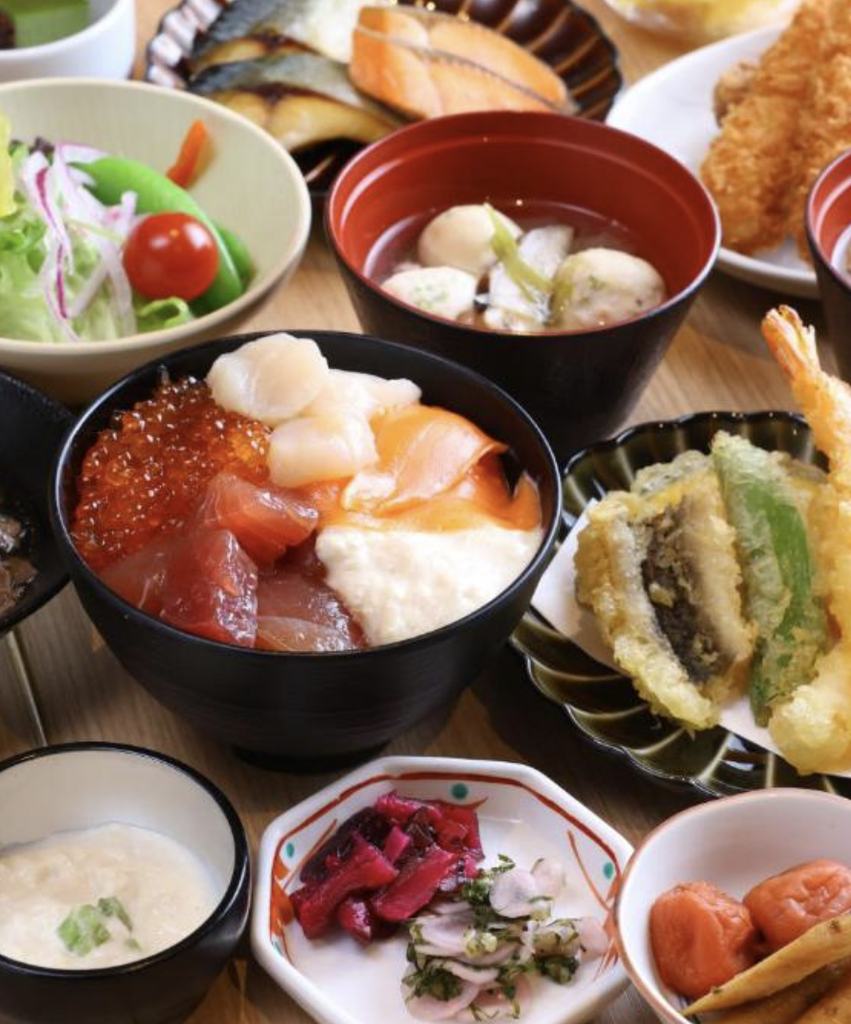
We stayed at Onyado Nono Kyoto Shichijo Natural Hot Spring, and honestly, we loved everything about it. The breakfast buffet was an easy 10/10, and the little extras, like complimentary late-night ramen and ice cream, made the experience even more memorable. But the real highlight was the incredible natural hot springs. My daughter and I made a little ritual of unwinding in the baths every evening after a full day exploring Kyoto, and it became one of my favourite memories of our stay.