
When Is the Best Time to Visit Japan? An Honest Guide to the Four Seasons

By Una | Japan Our Way
If you ask me when the best time to visit Japan is, my answer is autumn. I love summer—I was born in summer, so it will always have a special place in my heart—but for a trip with comfortable sightseeing weather and fewer weather-related compromises, autumn takes the crown.
Of course, I understand why so many people dream of cherry blossom season. Japan in spring can be beautiful. But before you book flights based on a photograph of pink trees, let me give you my honest take on all four seasons, including the rain, heat and crowds that don’t always make it into the travel videos.
Japan’s seasons at a glance
| Season | What I love | What to plan around |
|---|---|---|
| Spring: March–May | Cherry blossoms and the feeling of a fresh start | Unpredictable bloom dates, spring showers and busy sakura spots |
| Summer: June–August | Festivals, yukata and trips to the countryside | Rainy season, followed by intense heat and humidity in many cities |
| Autumn: September–November | Comfortable days, colourful leaves and seasonal sweets | Lingering September heat, typhoons and crowds at famous foliage spots |
| Winter: December–February | Hot springs, winter atmosphere and skiing | Regional differences in snow, cold weather and New Year closures |
These are broad seasonal groupings, rather than a weather forecast for the whole country. Hokkaido, Tokyo and Okinawa can feel very different in the same month, so always match your dates to the places you actually want to visit.
Autumn in Japan: my pick for the best overall trip
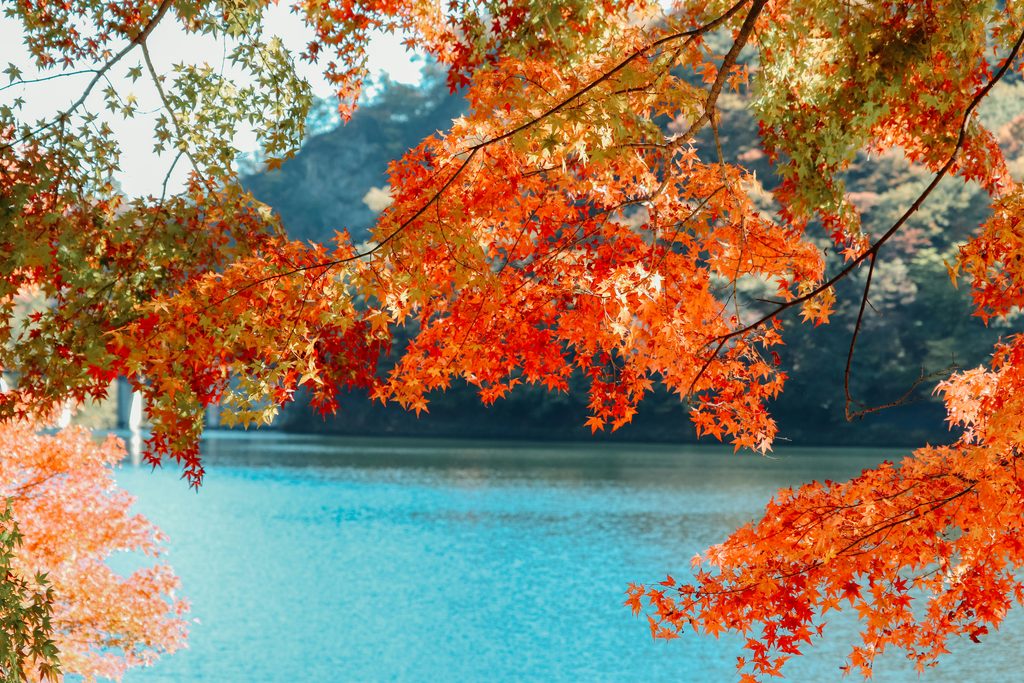
Autumn is the season I recommend if you want to spend your days exploring without constantly thinking about how hot, cold or wet you feel. From October, the weather becomes much more comfortable in many of the places visitors put on their first Japan itinerary, and walking around becomes a pleasure again.
Then there is the food. The sweet potato, chestnut and pumpkin desserts are elite, and honestly, they deserve a place in your travel plans alongside the temples and sightseeing. Look out for sweet potato treats, chestnut cakes and seasonal pumpkin sweets. If you usually walk straight past the dessert display, this is the season to stop.
Don’t assume autumn leaves arrive everywhere at once
In my video, I mention leaves peaking in late November. That is a useful starting point for some popular city destinations, but it is not a nationwide rule. Northern Japan and higher elevations change earlier, while some southern locations hold their colour into December.
For a first trip built around Tokyo, Kyoto and Osaka, I would start by considering October or November, then narrow the dates according to whether comfortable sightseeing or autumn foliage matters most. September can still be hot and affected by typhoons, so it doesn’t automatically deliver the crisp autumn experience you might be imagining.
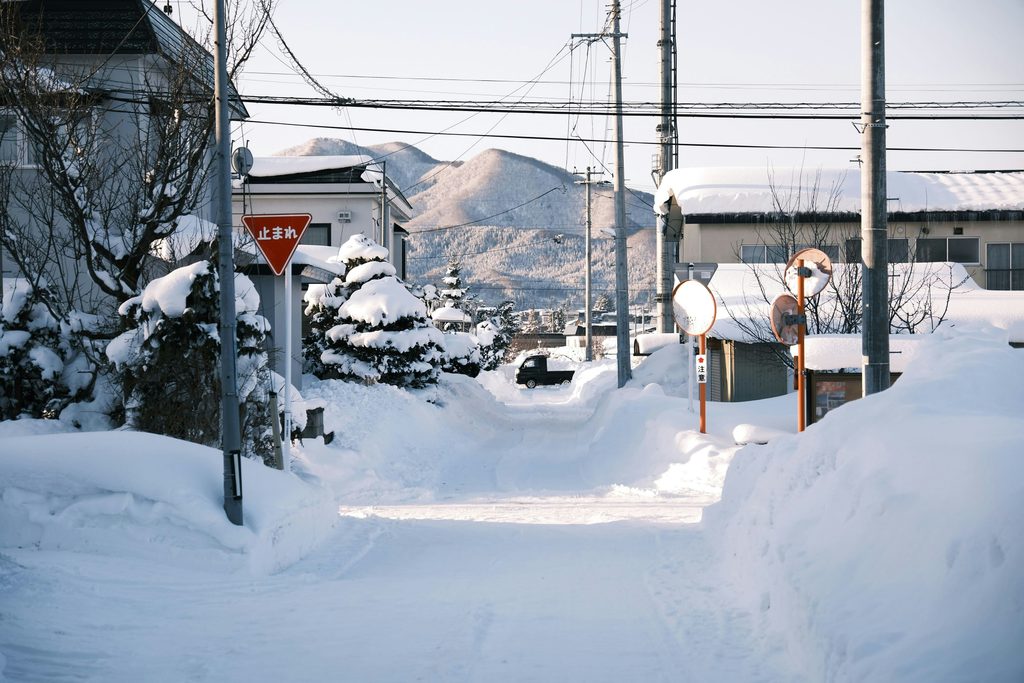
Winter in Japan: hot springs, snow and a slower kind of magic
Winter has its own appeal: Christmas atmosphere, New Year traditions and the thought of warming up in a hot spring when it is cold outside. If your dream Japan trip includes skiing, Hokkaido and Nagano are places to investigate, with your dates chosen around the resort and snow conditions.
But visiting Japan in winter does not mean you will see snow everywhere. A city break in Tokyo is a different trip from a mountain stay or a ski holiday in Hokkaido. Choose your destination for the winter experience you want, rather than expecting the whole country to look like a snow globe.
If you travel over New Year, check opening dates for the restaurants and attractions you care about. It can be a meaningful time to experience Japan, but your usual sightseeing schedule may need adjusting around holiday closures.
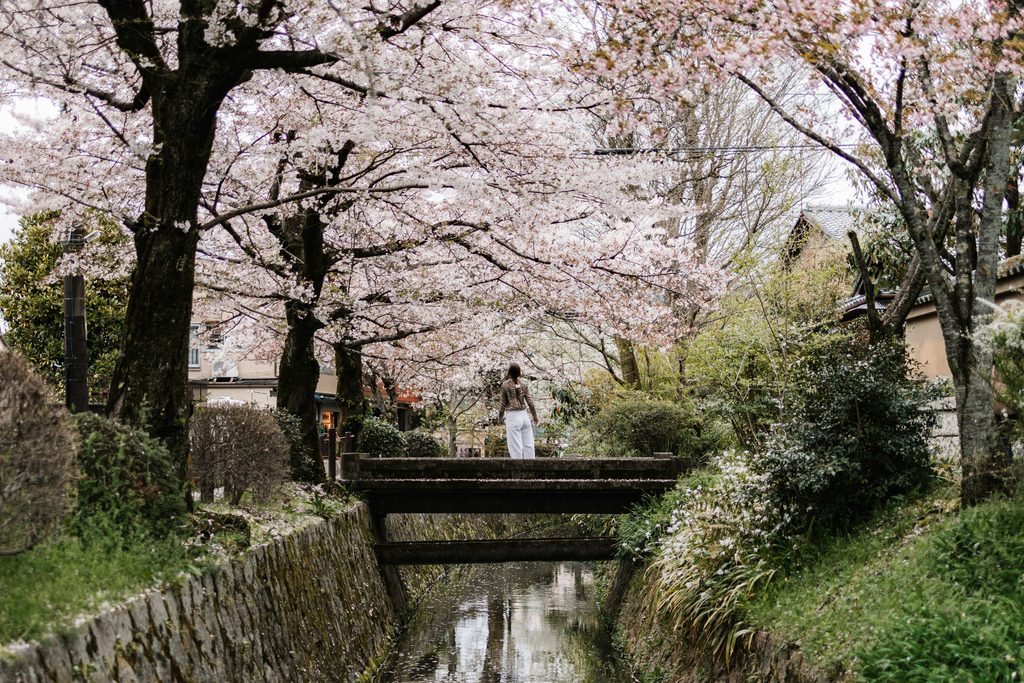
Spring in Japan: beautiful, but the blossoms come with conditions
I understand the sakura dream. The trees, the petals and the feeling of spring arriving are special. But if cherry blossoms are the main reason for your trip, there are four things I want you to know before you book.
1. The best viewing window is short
Late March to early April is a common planning window for cherry blossoms in Tokyo, Kyoto and Osaka, but the exact timing changes each year. A particular tree is usually in full bloom for only about a week, and wind or rain can shorten that display.
That doesn’t mean all of Japan gets one single week of blossoms. Flowering progresses across regions, and different varieties bloom at different times. Follow the forecasts for your destinations, keep some flexibility in your sightseeing days and make sure you would enjoy the trip even if peak bloom arrives early or late.
2. Pack for spring rain
Spring is not a promise of blue skies. You can get rainy days during blossom season, so bring a compact umbrella and shoes you can comfortably walk in when the pavement is wet. The Japanese word harusame refers to gentle spring rain; this is different from the early-summer rainy season, tsuyu.
My advice is to leave room to move your outdoor plans. If the forecast looks better tomorrow, swap your blossom walk with a museum visit or an afternoon exploring the shops. You will enjoy spring much more if every day doesn’t depend on perfect sunshine.
3. Choose your cherry blossom spots—and expect company
Meguro River in Tokyo is a beautiful option, particularly for evening blossom viewing when seasonal illuminations are running. Shinjuku Gyoen is another lovely choice for a picnic, with different cherry varieties offering a broader flowering season than a single row of trees.
Neither is a secret. If you want a better chance of photographs with fewer people, my advice is to get up early—around 6 am for accessible public streets and riverside paths. That won’t guarantee an empty scene, but it gives you a better chance than arriving with the afternoon crowds.
Shinjuku Gyoen is the exception to that early-start advice: it normally opens at 9 am. Check the official entry arrangements before visiting during blossom season, and remember that alcohol is prohibited inside the garden. A picnic here needs a little planning, rather than a dawn arrival at the gates.
4. Book your spring accommodation early
Cherry blossom season is a high-demand travel period, so I would book flights and hotels months ahead where possible. Waiting until the flowers appear can leave you with fewer choices, especially if you have a particular location or room type in mind.
Compare cancellation terms as carefully as prices. A flexible hotel booking can be useful while you refine your route, but I wouldn’t build an entire holiday around trying to predict one perfect blossom day. Give yourself several things to look forward to, with sakura as a highlight.
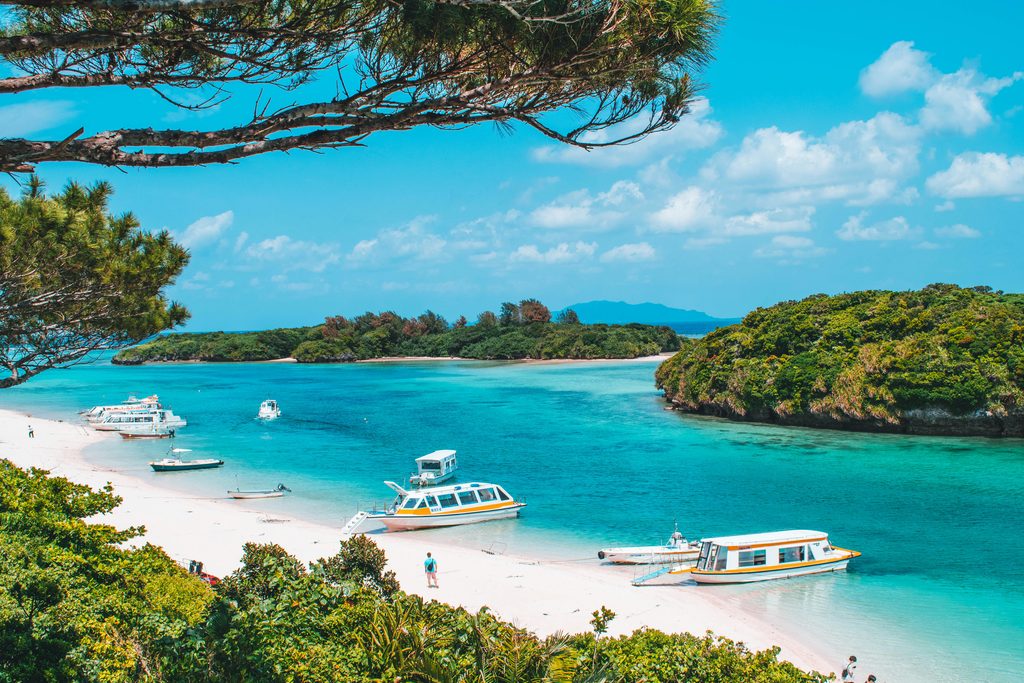
Summer in Japan: I love it, but you need to know about the heat
Summer is personal for me. I love the festivals, wearing yukata and the nostalgic feeling of a trip to the countryside. Those experiences are a big part of why I can’t simply tell everyone to skip the season, even though autumn gets my overall vote.
The practical side is less romantic. In much of mainland Japan, the rainy season generally falls around June into July, although the timing varies by region and year. After that, the heat and humidity can be intense. A packed itinerary of outdoor sightseeing can become exhausting very quickly.
If summer is when you can travel, build your days around the conditions. Explore earlier, take indoor breaks during the hottest hours and leave energy for the evening. Festivals and countryside stays give you a reason to embrace the season, rather than treating it like spring with a different wardrobe.
Okinawa also follows a different seasonal rhythm from mainland Japan. As I mention in the video, it can already feel like summer by May, but its rainy season arrives earlier too. Check the island conditions for your dates before assuming an early beach trip guarantees sunshine.
So, which season would I choose?
For an all-round Japan holiday, I would choose autumn: comfortable sightseeing, beautiful seasonal scenery and an excellent excuse to try every sweet potato dessert I find. October and November are where I would begin planning, with the final dates depending on the route.
If your heart is set on cherry blossoms, go in spring with realistic expectations, early bookings and an umbrella. Choose winter for snow and hot springs, or summer for festivals and that nostalgic atmosphere I love. The best time to visit Japan is the season that fits your idea of a wonderful trip—and knowing the trade-offs before you arrive makes all the difference.
Una’s Top Stays

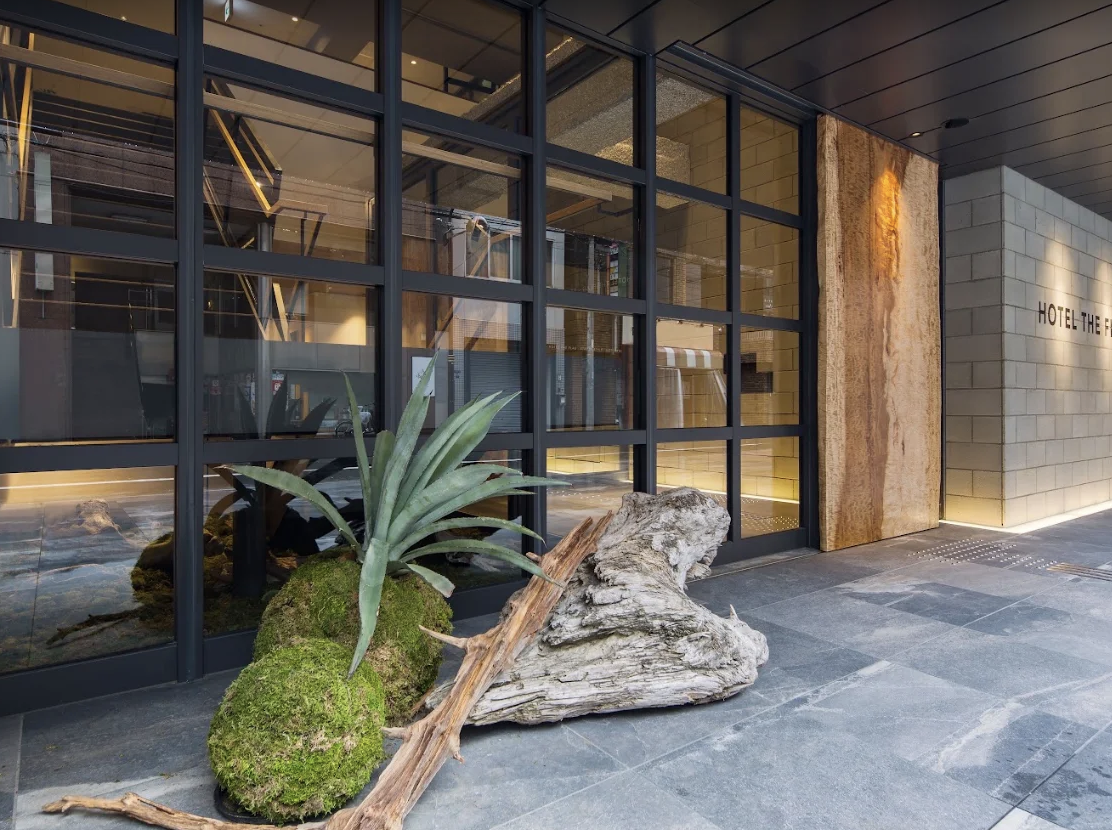
HOTEL THE FLAG Shinsaibashi
Osaka
⭐⭐⭐

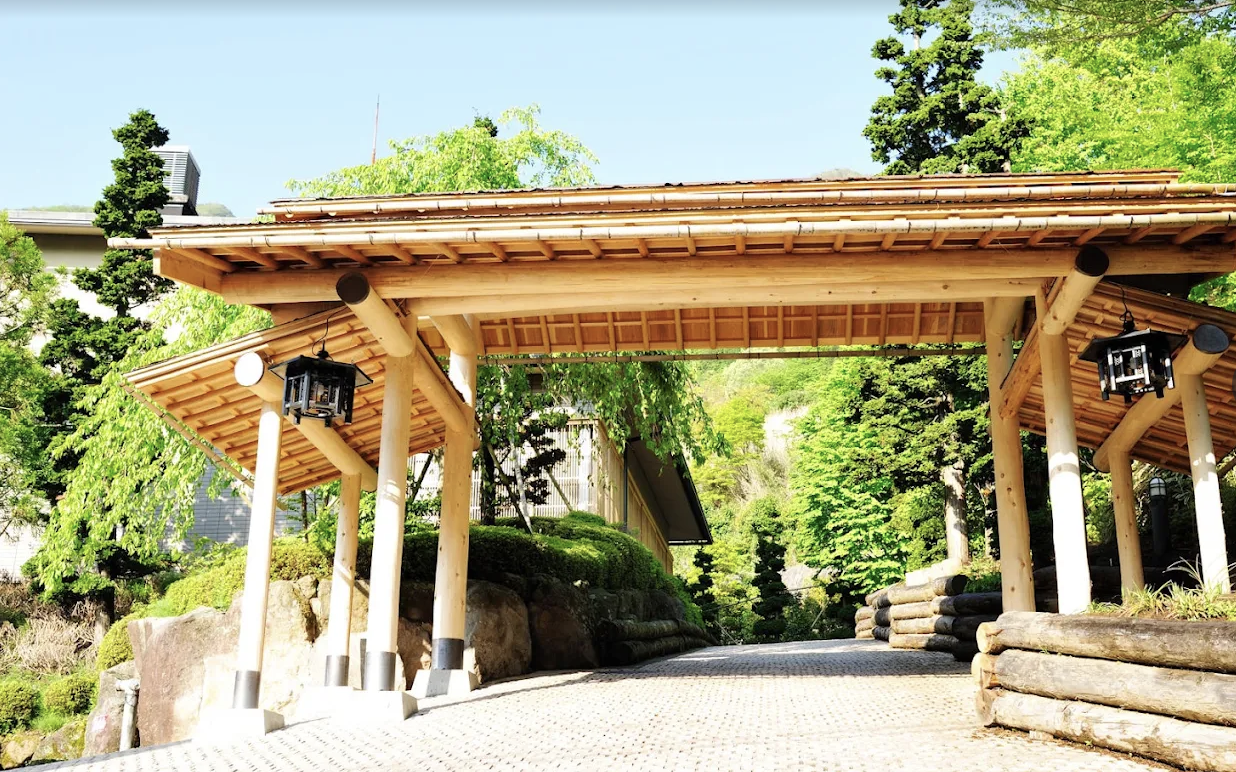
Gora Hanaougi
Hakone
⭐⭐⭐⭐⭐

Tokyu Stay Sapporo
Sapporo
⭐⭐⭐

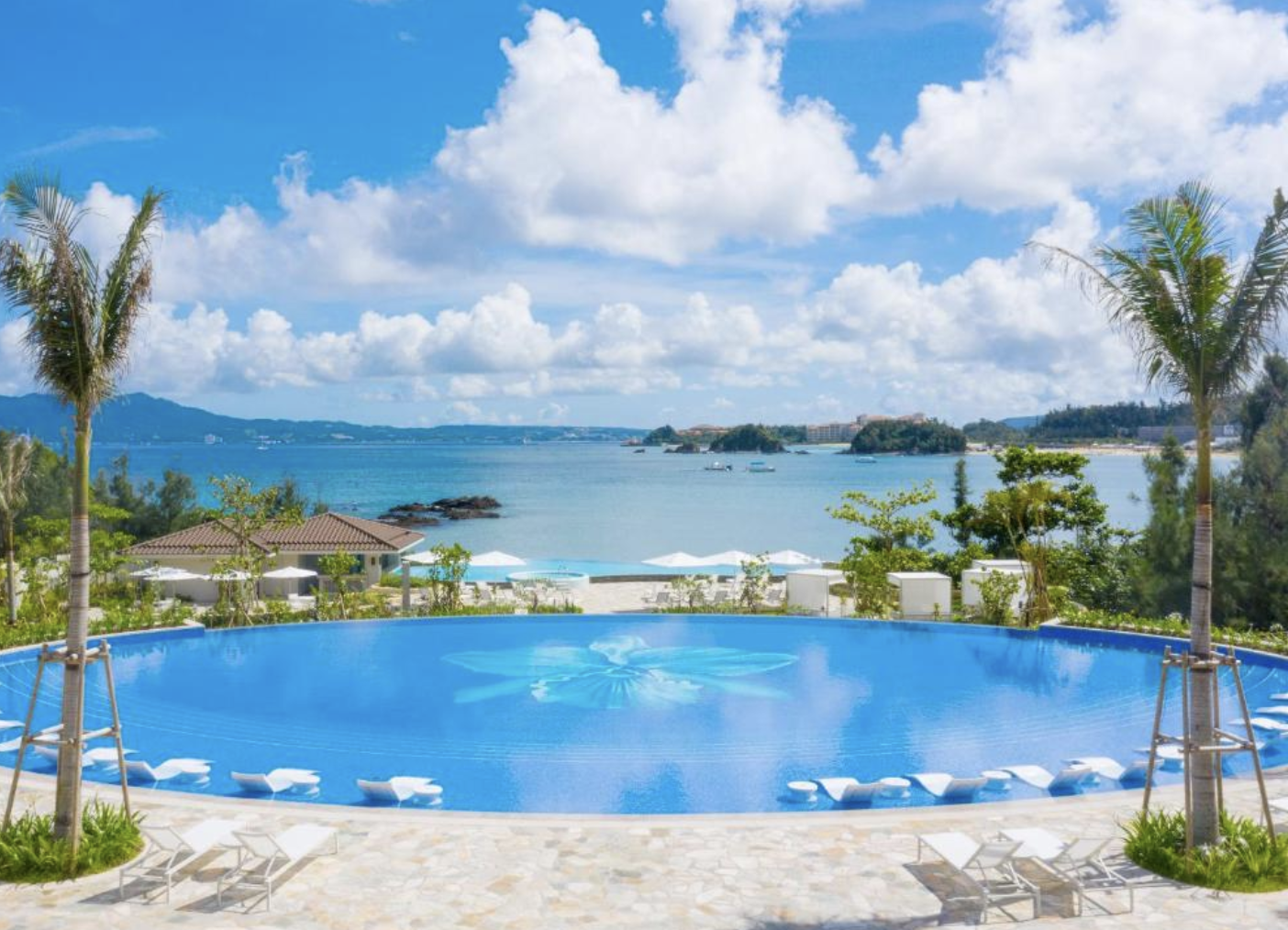
Halekulani Okinawa
Okinawa
⭐⭐⭐